
Troubleshooting
Social media oversharing can expose you to serious risks beyond just privacy concerns. From identity theft to workplace consequences, these 10 dangers reveal how your posts might be silently compromising your security and reputation—without you even realizing it.
Identity Theft Through Location Tags
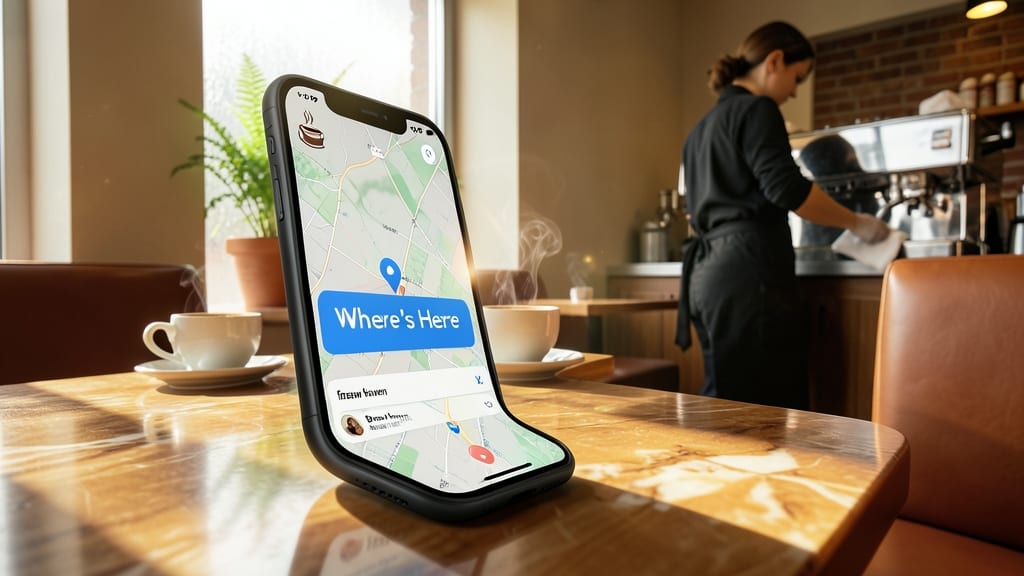
Your "checking in" at a café or live-tweeting your vacation might seem harmless, but geotagging and real-time location sharing turn your daily routine into a blueprint for burglars and stalkers. Criminals use tools like Facebook’s "Where’s Here" feature or Instagram Stories’ location pins to track when you’re away—making your home an easy target for opportunistic theft.
Even a single late-night arrival post can signal vulnerability, while vacation updates reveal empty houses for weeks. Apps like Find My Friends or Google Maps Timeline store years of location data, creating a digital trail that predators exploit. Worse, public Wi-Fi check-ins (e.g., at hotels or airports) can expose travel plans to hackers lurking on unsecured networks.
This risk isn’t theoretical—43% of burglars admit to case studies where social media tipped them off. Travelers, remote workers, and anyone with a predictable schedule should disable location services for posts and use private accounts with restricted visibility. 💻
Employment Termination From Oversharing
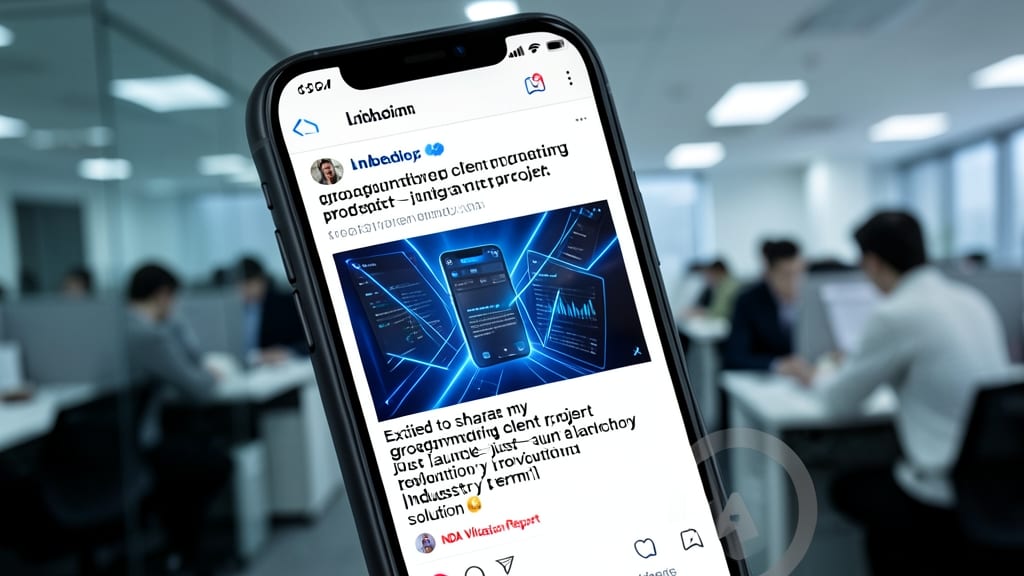
That LinkedIn post about your "groundbreaking client project" might seem like a career highlight—but it could be a career-ending mistake. Many companies enforce strict NDAs and social media policies, and even vague references to proprietary work or internal discussions can trigger disciplinary action.
HR departments now actively monitor employee posts for confidential data leaks, with some cases resulting in termination for violations like sharing client names, project details, or internal strategies. Even "innocent" updates about office culture or team dynamics can cross lines if they reveal trade secrets or unauthorized disclosures.
Freelancers, contractors, and executives are especially at risk, as their posts often face higher scrutiny. Always assume your employer—or competitors—are watching. 💻
Financial Scams Using Personal Details
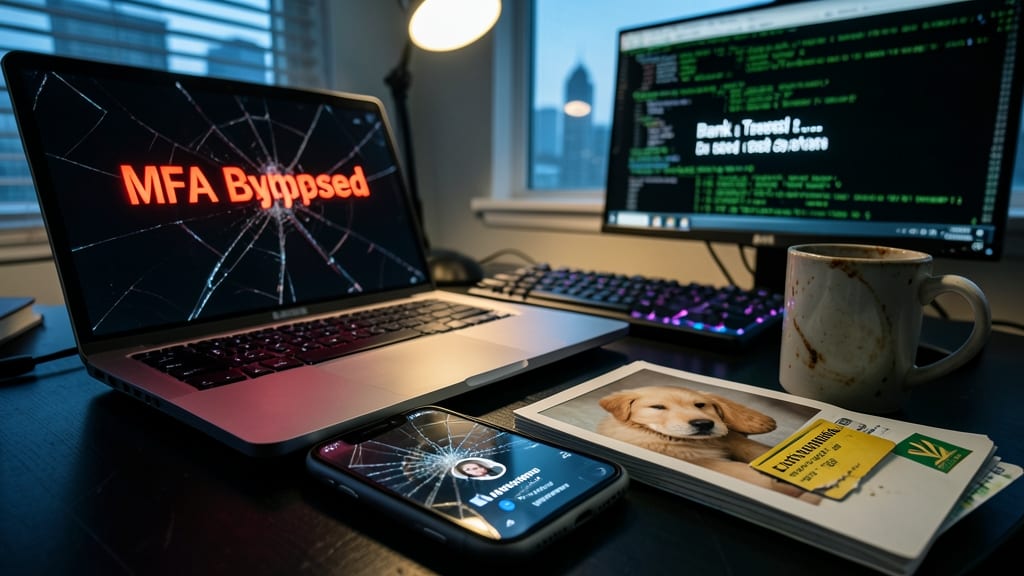
Think your childhood school or first pet’s name is harmless to share? Scammers use these details to bypass multi-factor authentication (MFA) and security questions, gaining access to your bank accounts, credit cards, or investment portfolios in minutes.
Platforms like Facebook and LinkedIn often expose birthdays, alma maters, and even pet names in public profiles or posts. Once a scammer has these, they can reset passwords, unlock accounts, or impersonate you to authorize fraudulent transactions. A 2023 study found that 68% of security breaches involved compromised credentials—often obtained through oversharing.
This risk isn’t just for tech-savvy users: even casual social media habits can expose you. If you’ve ever posted about your child’s school, wedding anniversary, or favorite band, you’ve likely given scammers enough clues to crack your security questions. 💻
Stalking and Harassment Risks
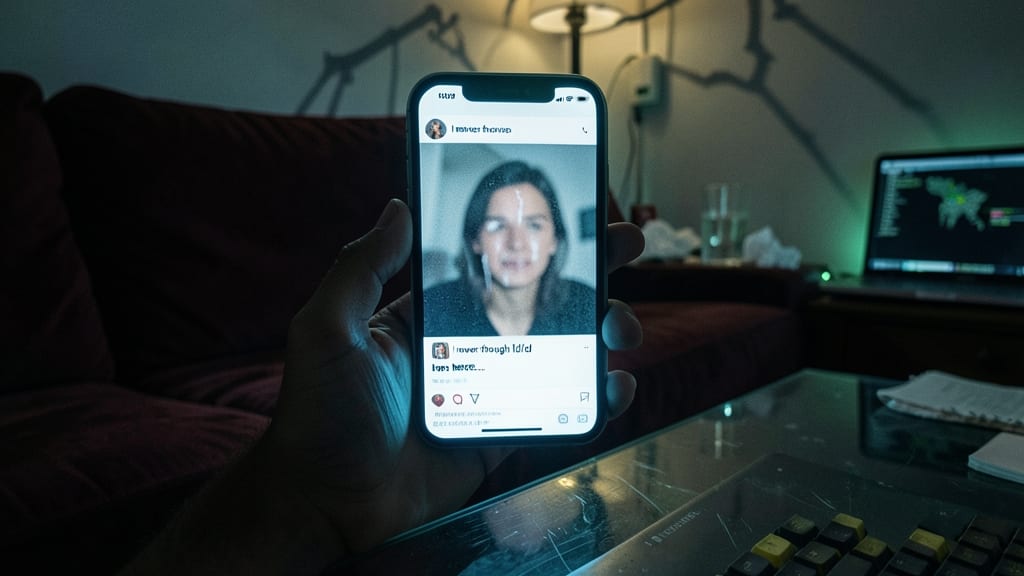
That heartfelt post about your breakup or health struggles might feel cathartic in the moment—but it could also be a magnet for cyberstalkers lurking in the digital shadows. Platforms like Facebook and Instagram use emotional triggers in posts to flag vulnerable users, making them prime targets for manipulation or even physical threats.
Stalkers often exploit detailed personal stories (e.g., divorce timelines, therapy updates) to build psychological profiles, while ex-partners may weaponize posts to track your movements or manipulate custody arrangements. Even seemingly harmless geotagged photos from therapy sessions or support groups can reveal sensitive locations. Tools like reverse image search let predators cross-reference your posts with real-world addresses.
This risk isn’t just for celebrities—domestic violence survivors and public figures are especially vulnerable, but everyday users face threats too. If you’ve shared emotional struggles, consider auditing privacy settings on platforms like Instagram (disable location history) or Twitter (limit DM access). For high-risk users, burner accounts or encrypted messaging can add layers of protection. 💪
Blackmail Material From Compromising Posts

That beachside selfie from last summer or your gym progress update might seem harmless—but hackers and ex-partners can turn them into blackmail leverage with alarming ease. A single compromising image or post can be screenshotted, edited, or distributed without your consent, creating irreversible damage to your reputation or safety.
Platforms like Facebook, Instagram, and Snapchat store metadata (location, timestamps) that can tie content to your identity, while cloud backups ensure deleted posts linger indefinitely. Even "private" stories can resurface if accounts are hacked—68% of blackmail cases start with overshared social media content, according to cybersecurity reports. The psychological toll? Devastating.
This risk isn’t just for celebrities—anyone with a public-facing profile is vulnerable. If you’ve ever posted unguarded moments, now’s the time to audit your digital footprint before it’s too late. 💻
Insurance Fraud Through Health Updates
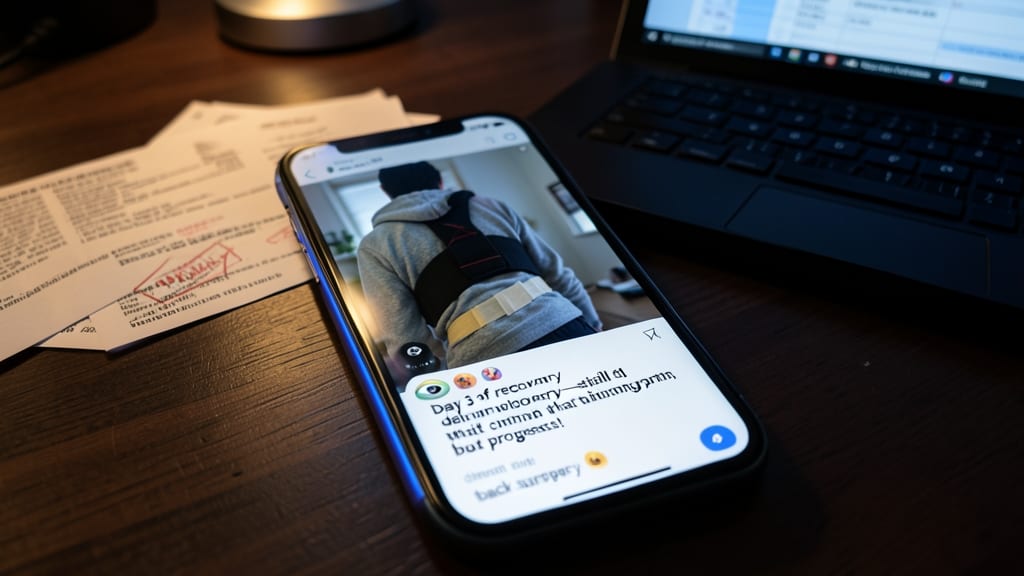
That "harmless" post about your back surgery recovery might just cost you thousands in denied claims. Insurance companies increasingly use AI-driven social media monitoring to flag pre-existing conditions or injuries—even if you didn’t realize you were sharing them.
Terms like "chronic pain" or "physical therapy" in posts can trigger automated reviews, leading to higher premiums or outright claim denials. Worse, geotagged gym check-ins after an injury might contradict your "sudden accident" claim. Some insurers even cross-reference your posts with medical records.
If you’ve ever discussed health issues online—even vaguely—you’re not alone. Over 60% of insurers now screen social media, per industry reports. The fix? Avoid medical jargon in posts and adjust privacy settings to limit who sees your activity. 💡
Social Engineering Attacks Using Family Info

That heartwarming post about your kid’s first day at Maplewood Elementary might seem harmless—but it’s gold for scammers. Cybercriminals use publicly shared details like school names, pet breeds, or even childhood nicknames to impersonate family members in calls or messages, tricking victims into transferring money or divulging sensitive data.
These attacks often start with a fake emergency call: "Hi Mom, it’s Jake—my phone’s dead, can you wire me $500 for my car repair?" The scammer uses your child’s name, school, or even a pet’s name to sound convincing. A 2023 FBI report found that family impersonation scams increased by 40% after parents shared school photos online, with losses averaging $1,200 per victim.
Parents and grandparents are prime targets, but anyone with public family details is at risk. Always verify unexpected requests via a separate, trusted communication channel—like a pre-arranged code word only family knows. 💡
Legal Liability From Defamation Posts
That angry post about your boss might seem cathartic—but it could land you in court. Courts now use IP tracking and metadata analysis to trace anonymous posts back to users, even years later, turning casual rants into costly lawsuits.
Defamation laws apply to false statements that harm someone’s reputation, whether posted on LinkedIn, Twitter, or a private group. A single screenshot can resurface in a lawsuit, and damages can exceed $100,000 in some cases. Even "jokes" or exaggerated claims can be interpreted as libel if they’re shared publicly.
Freelancers, managers, and public figures face the highest risk, but anyone can be targeted. Always double-check facts before posting—and consider muting controversial discussions entirely. 💪
Targeted Ads Exploiting Personal Struggles
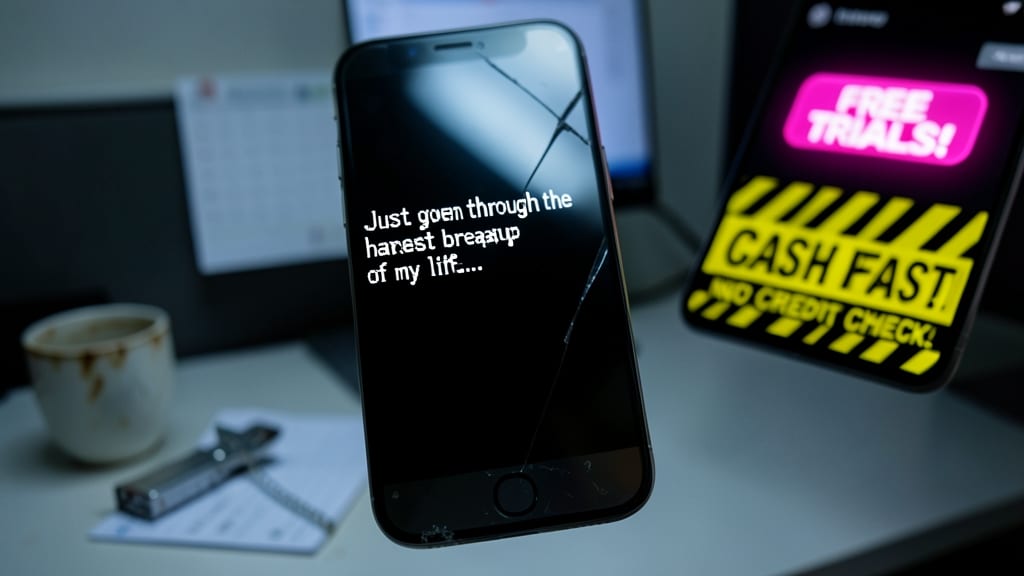
Ever posted about a tough breakup or financial setback, only to see ads for dating scams or payday loans pop up for weeks? That’s not a coincidence—it’s programmatic ad targeting at its most invasive. Platforms like Facebook and Instagram use AI-driven algorithms to analyze your emotional state, then sell that data to advertisers specializing in high-risk services.
These ads often appear as "sponsored" posts disguised as support groups or financial advice, luring you into clicking with headlines like "Struggling with debt? We can help!"—only to lead to predatory lenders or fake therapy services. Worse, some apps even cross-reference your posts with third-party databases to refine their pitches, turning your vulnerabilities into profit for unethical marketers.
If you’ve ever shared struggles with mental health, money, or relationships, you’re likely already in their crosshairs. The fix? Limit personal details in posts and use browser tools like uBlock Origin to block suspicious ad networks. Your peace of mind isn’t just data—it’s currency. 💡
Reputation Damage From Future Employers
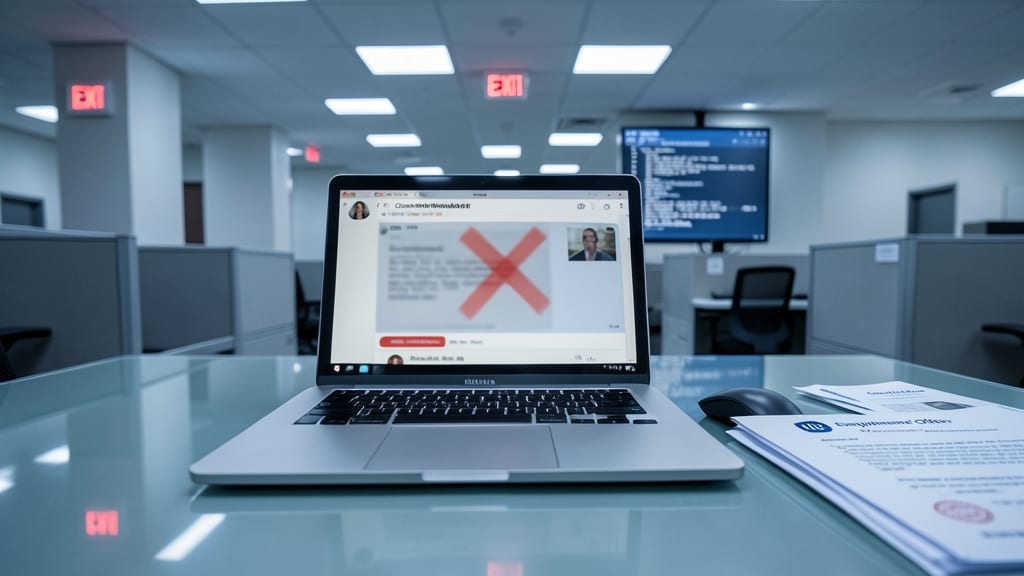
That job offer you thought was in the bag? A single controversial tweet from five years ago could derail it—even if you deleted it. Background check tools like Social Intelligence and HireRight scrape public archives, including cached versions of deleted posts, to assess cultural fit and risk tolerance.
Recruiters now use AI-powered screening tools to flag inconsistencies between your resume and online persona. A political rant, unprofessional humor, or even a misunderstood meme can trigger red flags. Worse, LinkedIn’s algorithm prioritizes posts with high engagement, making older content resurface unexpectedly during hiring cycles.
Job seekers in highly regulated fields (finance, healthcare, legal) face the steepest risks, but even casual oversharing can cost opportunities. Always assume your digital footprint is permanent—and audit it before applying. ✨