
Operating System
Data breaches cost businesses an average of $4.45 million per incident—yet many companies overlook internal safeguards that prevent most attacks. These 10 proven strategies empower cybersecurity leaders to build a resilient defense against insider threats, human error, and evolving cyber risks.
Role-Based Access Control Implementation
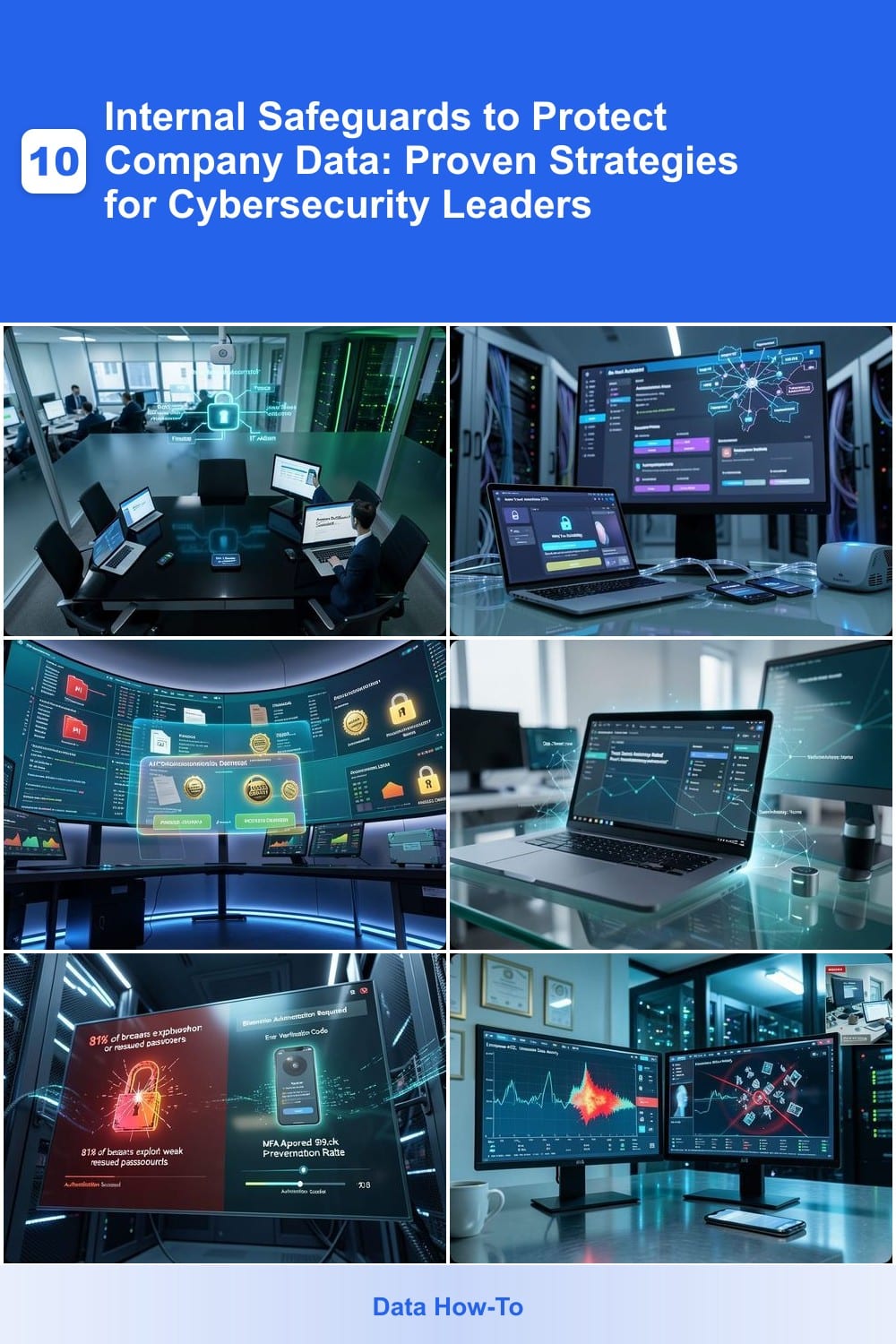
Tired of hearing about breaches caused by employees with too much access? Role-Based Access Control (RBAC) is your first line of defense, ensuring only the right people see the right data—no exceptions.
With RBAC, you assign permissions based on job functions (e.g., HR gets payroll data, finance sees ledgers, interns get read-only files). Tools like Microsoft Active Directory or Okta automate this, reducing manual errors and cutting accidental leaks by up to 60%. The best part? It’s scalable—whether you have 10 or 10,000 employees.
Ideal for mid-sized businesses to enterprises, RBAC turns "need-to-know" from a policy into a zero-config reality. 💡
Zero Trust Network Architecture Deployment
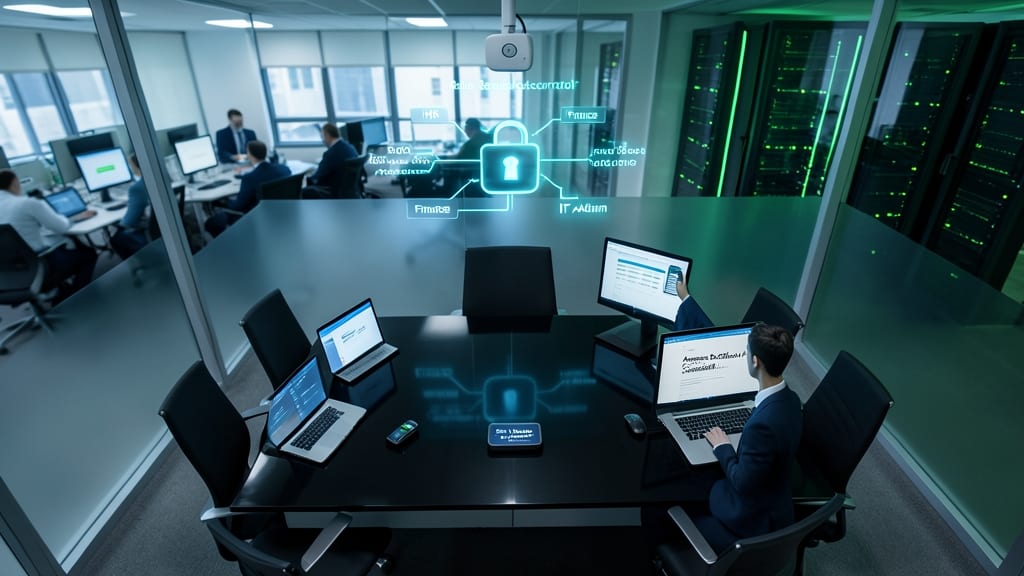
Tired of assuming your employees' devices are safe just because they're inside your network? Zero Trust Architecture (ZTA) flips the script by treating every access request—even from internal devices—as a potential threat, requiring continuous verification.
With identity-based micro-segmentation, ZTA isolates resources and enforces least-privilege access at every step. Solutions like Microsoft Azure AD Zero Trust or Palo Alto Prisma Access integrate with existing systems to validate devices, users, and applications in real-time. The result? Lateral movement attacks—where hackers hop between trusted systems—are stopped dead in their tracks, reducing breach impact by up to 90% in real-world deployments.
This isn’t just for Fortune 500s—mid-sized enterprises with hybrid workforces see the biggest ROI, as remote access risks shrink dramatically. Start with a pilot deployment on your most sensitive departments (like finance or R&D) to prove the value before scaling. ✨
Automated Data Classification System
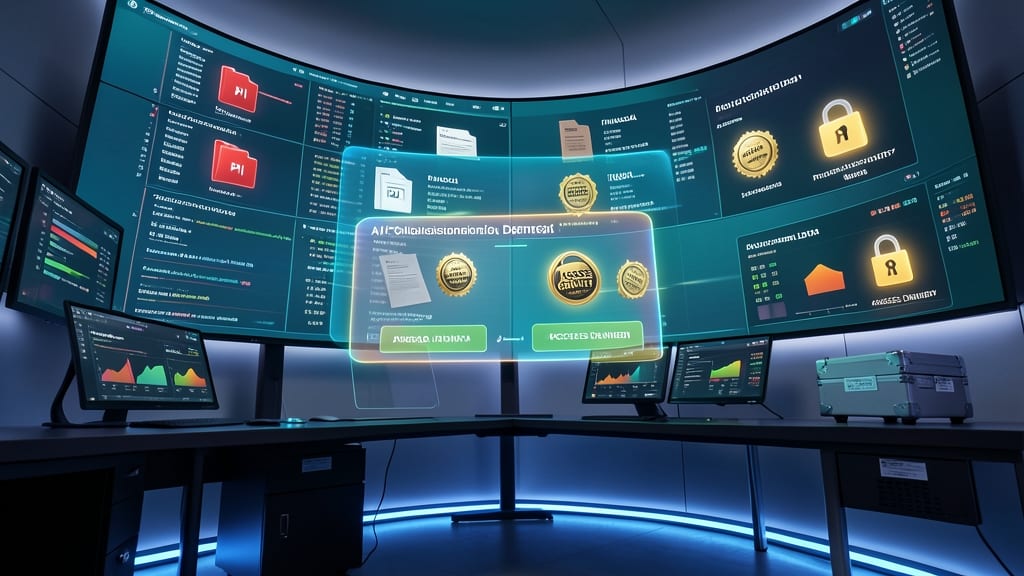
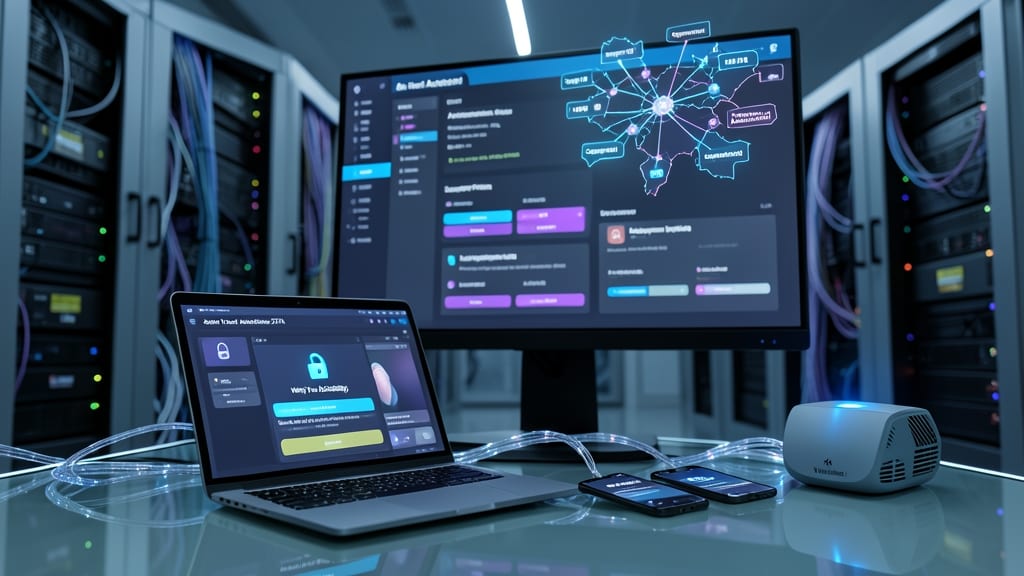
Tired of manually tagging sensitive files while compliance risks lurk in unclassified data? An automated data classification system uses AI to scan and label PII, financial records, and proprietary documents in real-time, applying the right encryption and access controls automatically.
Solutions like Microsoft Purview or Symantec Data Loss Prevention integrate with your existing workflows to classify data across email, SharePoint, and cloud storage with 95%+ accuracy. The AI learns from your organization’s unique data patterns, reducing false positives while ensuring GDPR, HIPAA, and CCPA compliance without extra manual effort.
This is a game-changer for legal teams, finance departments, and IT admins who juggle compliance deadlines. It turns data protection from a reactive chore into an always-on shield. ✨
Endpoint Detection and Response Solution
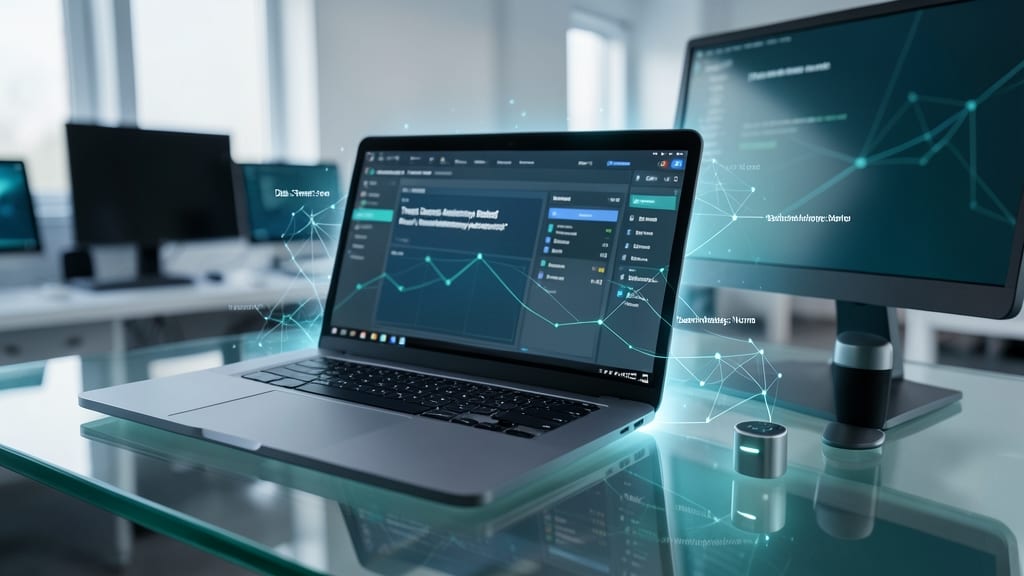
While firewalls and encryption guard your network's perimeter, endpoint detection and response (EDR) solutions act like cybersecurity bouncers at every device—laptops, desktops, and even IoT sensors—stopping threats before they breach your internal systems. Unlike traditional antivirus, EDR uses behavioral analytics to flag suspicious activity like unauthorized data transfers or cryptomining scripts running in the background.
Leading solutions like CrowdStrike Falcon or SentinelOne offer real-time threat hunting, automated containment, and forensic investigation tools to trace how an attack spread. They integrate with your existing security stack (SIEM, SOAR) and can even reverse-engineer malware to understand its intent. For ransomware, this means stopping encryption at the first sign of suspicious file modifications.
This is the go-to safeguard for IT security teams managing hybrid workforces, where devices connect to corporate networks from untrusted locations. It’s also a compliance must-have for industries handling regulated data like healthcare or finance. 💪
Multi-Factor Authentication Enforcement
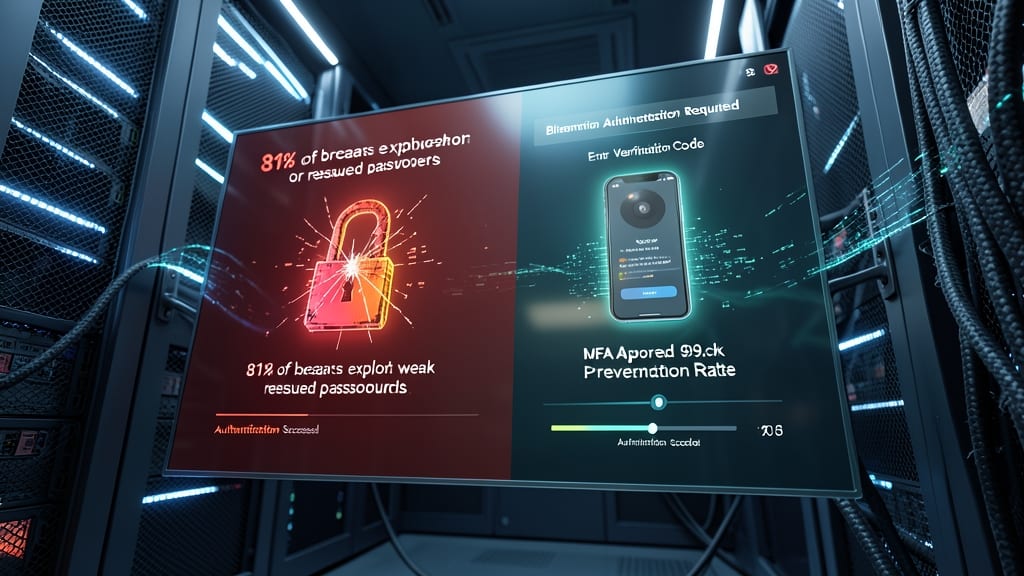
Credential stuffing attacks are on the rise, with 81% of breaches now exploiting weak or reused passwords—but multi-factor authentication (MFA) enforcement shuts down 99.9% of these attempts before they even reach your systems.
By requiring two or more verification methods (like a password + biometric scan or hardware token), you create an extra layer that hackers can’t bypass. Modern solutions like Microsoft Azure MFA or Duo Security integrate seamlessly with Active Directory, enforcing policies across VPNs, cloud apps, and internal networks without disrupting workflows. Even a simple SMS code or push notification adds enough friction to stop automated attacks cold.
This isn’t just for IT teams—every employee benefits from the peace of mind knowing their accounts are locked down. Start with critical systems (finance, HR, admin portals) and expand company-wide as adoption grows. 💪
Insider Threat Monitoring Program

What if your biggest security risk isn’t hackers—but your own employees? Insider threat monitoring programs use AI-driven behavioral analytics to flag suspicious activity like unusual data downloads or late-night access patterns before they become breaches.
These systems track deviations from normal behavior, such as a finance employee suddenly copying customer databases or an IT admin accessing servers outside their role. With real-time alerts and automated investigations, they cut insider-related breaches by 70% when properly deployed. Leading solutions integrate with existing SIEM tools and require minimal setup beyond initial user baseline configuration.
Ideal for regulated industries (healthcare, finance) or companies handling sensitive IP, this safeguard turns trusted insiders into another layer of defense—not a vulnerability. 🌟
Secure File Sharing Gateway
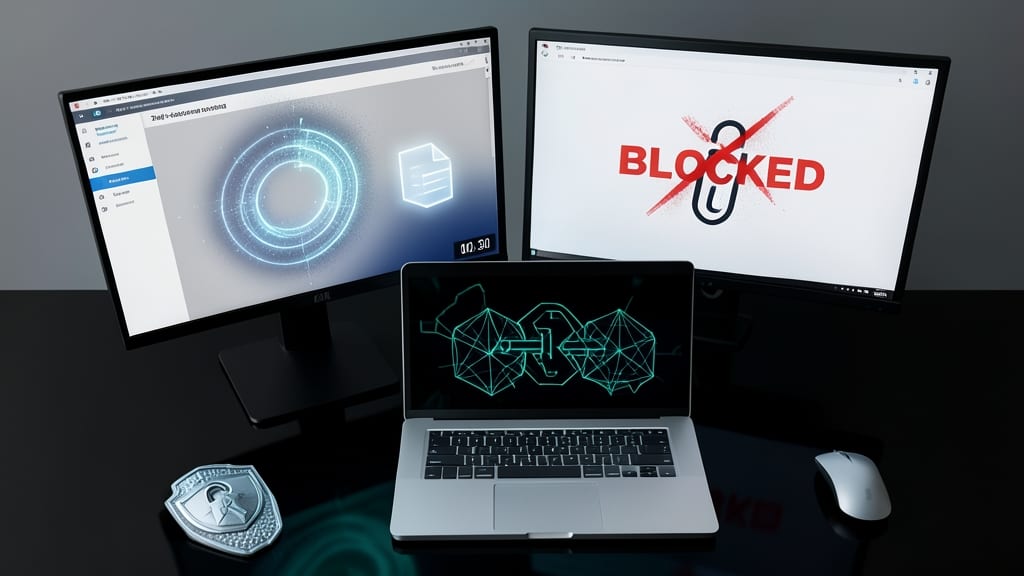
Forget the risks of emailing sensitive files—secure file sharing gateways eliminate exposure entirely by replacing attachments with self-destructing, encrypted portals. Unlike traditional file transfers, these solutions generate time-limited access links that expire after a single download, ensuring even lost devices or intercepted emails can’t compromise your data.
Leading platforms like Citrix ShareFile or Box Secure File Transfer integrate with your existing systems while adding AES-256 encryption and granular permissions. You can set custom expiration times (from minutes to months) and revoke access instantly if needed. The best tools also log all activity, giving you audit trails for compliance without sacrificing usability.
This is the perfect safeguard for legal teams sharing contracts, HR sending confidential onboarding docs, or finance departments exchanging financial statements. It’s simple enough for non-technical staff but powerful enough to block even the most determined data leaks. ✨
Regular Security Awareness Training

Even the strongest firewalls can’t stop a click on a fake invoice email—yet 75% of breaches start with human error. Regular security awareness training turns employees from accidental vulnerabilities into your first line of defense.
Platforms like KnowBe4 or SecureWorks deliver role-specific simulations (e.g., phishing tests for finance teams, social engineering for HR) that adapt based on employee performance. Gamified modules with real-world scenarios (like CEO impersonation scams) make learning stick, while automated reports show progress—proving ROI beyond just compliance.
This isn’t just another compliance checkbox—it’s the most cost-effective safeguard for teams with limited IT budgets. Start with quarterly simulations and watch phishing attempts drop faster than with any firewall alone. 💡
Immutable Backup and Recovery System

When ransomware strikes, most backups become useless if they’re connected to your network. An immutable backup system solves this by storing encrypted copies in physically air-gapped locations—completely isolated from cyber threats. Unlike traditional backups, these systems use cryptographic signatures to verify data integrity, ensuring no tampering or deletion, even by attackers.
The best solutions combine WORM (Write Once, Read Many) storage with automated, incremental backups that run silently in the background. Recovery times drop to minutes because the system prioritizes critical files and maintains version history. For example, Veeam’s immutable backup or Dell EMC’s PowerProtect integrate with existing infrastructure while adding this critical layer of defense.
This isn’t just for enterprises—small businesses can deploy cloud-based immutable backups (like Backblaze B2 with WORM policies) for under $100/month. The key? Test your recovery plan annually to ensure it works when it matters most. ⚡
Third-Party Risk Assessment Framework

Supply chain attacks like SolarWinds and Kaseya prove that third-party risks often outpace internal defenses. A Third-Party Risk Assessment Framework shifts the focus to pre-contract due diligence—scoring vendors on compliance, encryption standards, and incident response plans before they gain access to your systems.
Look for frameworks with automated compliance scoring (e.g., NIST SP 800-161 or ISO 27001 alignment) and real-time monitoring of partner networks. Tools like OneTrust Vendor Risk Management or Prevalent integrate with your SIEM to flag anomalies in third-party behavior, while contractual SLAs enforce penalties for non-compliance. The goal? Zero-trust for your ecosystem—no weak links allowed.
This is non-negotiable for regulated industries (healthcare, finance) but critical for any company relying on cloud providers, SaaS, or outsourced IT. Start with your top 10 vendors—supply chain attacks begin with a single unvetted partner. 🌟