
Coding
SQL Server 2012 introduced groundbreaking features that transformed database management for developers and enterprises. These 10 innovations—from performance boosts to enhanced security—redefine how you handle data, automate tasks, and optimize workflows in modern applications.
Columnstore Indexes for Massive Data Compression

If your data warehouse is drowning in storage costs and slow analytical queries, columnstore indexes in SQL Server 2012 could be your lifesaver. This feature completely redefines how SQL Server handles large-scale data by storing columns vertically instead of rows—cutting storage needs by up to 10x while supercharging query performance.
The magic happens through batch processing and compression algorithms that optimize analytical workloads. For example, a 4K@120Hz data set (think terabytes of sales records) scans 10x faster with minimal CPU overhead. It’s especially powerful for OLAP (Online Analytical Processing) workloads, where aggregations and filtering dominate. Even complex joins see dramatic speedups because the engine processes data in compressed batches.
This isn’t just for enterprise giants—anyone running BI tools like Power BI or Tableau will see immediate benefits. Start testing it today if your queries feel sluggish on large datasets. ⚡
Contained Databases for Simplified Deployment

Tired of deployment headaches tied to system databases? SQL Server 2012’s contained databases solve this by packaging everything—data, schemas, and logins—into a single, portable unit. No more relying on server-level dependencies that complicate migrations or multi-server setups.
With contained databases, you gain three key benefits: self-sufficiency (no master database ties), simplified backups (single-file operations), and cross-server portability via scripts or tools like DBCC CLONEDATABASE. The PARTIAL containment mode lets you start small, while FULL containment locks down everything—ideal for ISVs distributing apps with embedded databases.
This feature is a game-changer for developers deploying SaaS apps or ISVs shipping pre-configured databases, cutting setup time by 70% in many cases. 💻
AlwaysOn Availability Groups for High Availability

Downtime isn’t an option for enterprise applications—but SQL Server 2012’s AlwaysOn Availability Groups finally makes it possible. This game-changing feature lets you replicate data synchronously or asynchronously across multiple servers, ensuring seamless failover with minimal latency.
With support for up to 8 secondary replicas, you can distribute read workloads while maintaining a primary for writes. The automatic failover capability (when paired with a Windows Failover Cluster) ensures your database stays online even during hardware failures. Unlike older mirroring solutions, AlwaysOn supports multiple readable secondaries, making it ideal for global deployments.
Perfect for financial systems, healthcare databases, or any mission-critical application where uptime is non-negotiable. ⚡
Window Functions for Advanced Analytics

Tired of writing convoluted self-joins just to rank records or track sequential data? SQL Server 2012’s window functions—like ROWNUMBER(), RANK(), and LEAD()—eliminate that pain with elegant, single-query solutions. These functions analyze data across result sets while preserving individual row context, making them perfect for pagination, moving averages, or hierarchical reporting.
With ROWNUMBER(), you assign unique sequential integers to rows, ideal for pagination or deduplication. RANK() handles ties gracefully (unlike DENSERANK()), while LEAD() lets you reference future rows—no temporary tables needed. The syntax is intuitive: OVER(PARTITION BY column ORDER BY anothercolumn), and it works seamlessly with GROUP BY or HAVING clauses. For analysts, this means 30-50% faster query execution for complex aggregations.
Data scientists and BI developers will love window functions for their zero-config flexibility—no need to pre-process data. Whether you’re calculating customer lifetime value or detecting anomalies in time-series data, these functions cut development time while boosting performance. 💡
Sequence Objects for Custom Numbering Logic
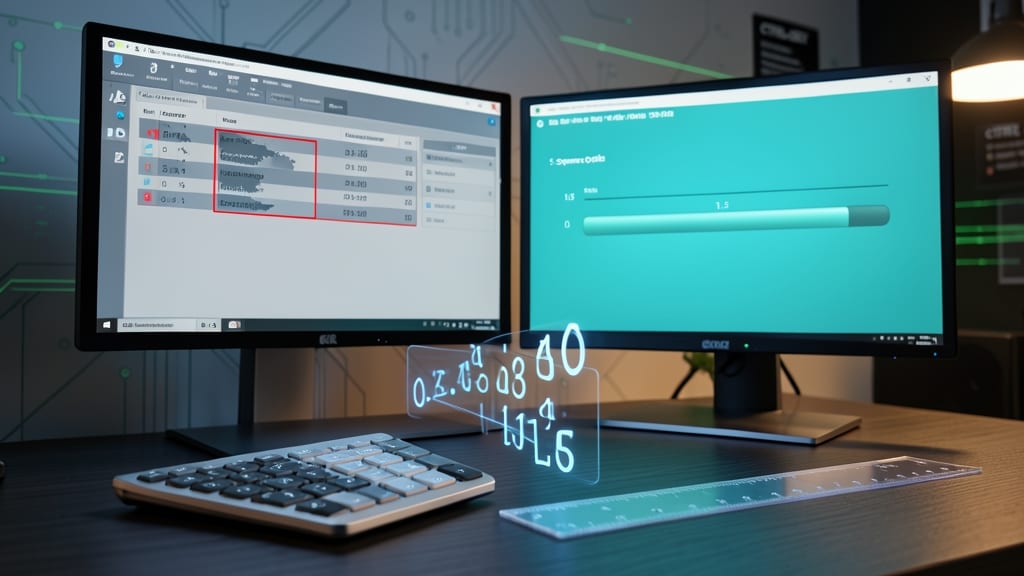
Tired of identity columns creating unpredictable gaps in your numbering schemes? SQL Server 2012’s sequence objects give you precise control over numbering logic across tables—no more wasted IDs or manual resets.
Unlike rigid identity columns, sequences let you define custom increments (like 0.5 or -1), manage gaps explicitly, and reuse numbers safely. They’re perfect for scenarios where you need audit trails (e.g., order IDs spanning multiple tables) or multi-table synchronization without complex triggers.
Database architects and developers managing multi-tenant systems or financial audits will love this—finally, a clean way to handle numbering without workarounds. ✨
Contained User Database Scenarios
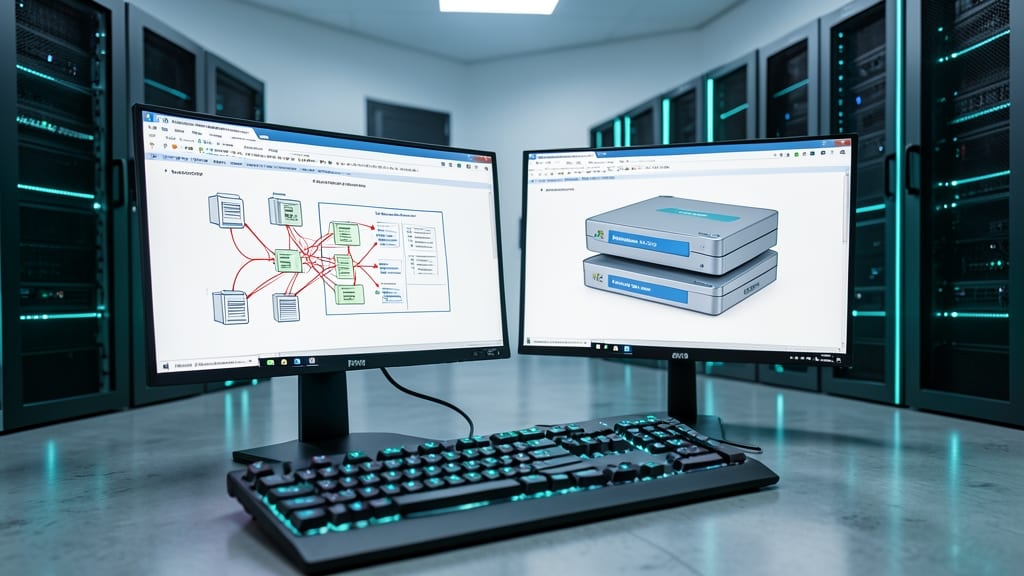
Multi-tenant applications often struggle with database portability and management complexity—but SQL Server 2012’s contained user database scenarios solve this by packaging user data alongside application logic. This feature lets you move entire tenant databases between servers without touching system databases, eliminating dependency on server-level configurations.
With contained user databases, you gain self-sufficient tenant environments that include logins, schemas, and even application-specific settings. The portability means you can deploy a single tenant database to any compatible SQL Server instance, while simplified management reduces administrative overhead. Perfect for SaaS providers or enterprises running shared environments, this feature ensures each tenant’s data stays isolated yet easily movable.
Developers building multi-tenant SaaS platforms will love this—no more complex server setups or manual login migrations. The zero-config portability makes scaling and disaster recovery effortless. ✨
SQL Server Data Tools for Unified Development
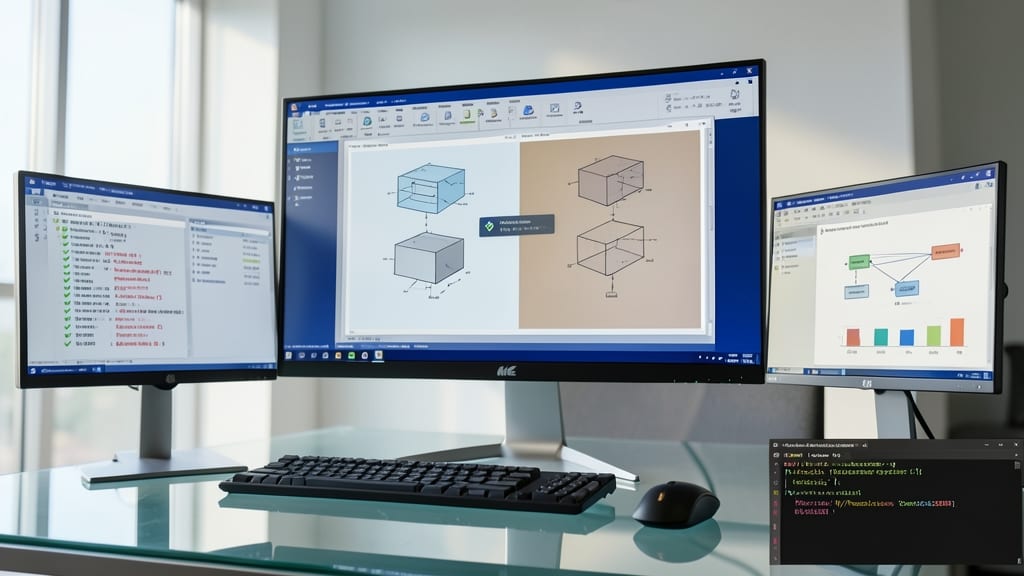
Tired of juggling separate tools for database development, testing, and deployment? SQL Server Data Tools (SSDT) bridges that gap by seamlessly integrating with Visual Studio—turning your IDE into a full-fledged database development powerhouse.
With schema comparison to sync environments effortlessly, built-in unit testing for T-SQL code, and project deployment that handles scripts, dependencies, and even data generation, SSDT eliminates manual scripting headaches. The database project model even lets you version-control your schema alongside application code, making collaboration a breeze.
This is the tool of choice for SQL Server developers who want to treat database code like first-class application code—no more siloed workflows. 💻
Memory-Optimized Tables for In-Memory Performance

When your application demands sub-millisecond response times, SQL Server 2012’s memory-optimized tables deliver a game-changer. Unlike traditional disk-based tables, these tables store data in durable memory, drastically cutting latency for high-throughput workloads like financial transactions or real-time analytics.
You get ACID-compliant transactions with non-volatile memory support, ensuring data integrity while leveraging in-memory performance. The optimized memory layout reduces lock contention, making it ideal for OLTP workloads where every microsecond counts. Plus, it supports natively compiled stored procedures for even faster execution.
Financial institutions and real-time analytics teams will love this feature—it’s perfect for scenarios where low-latency processing is non-negotiable. ⚡
Power View for Interactive Data Visualization
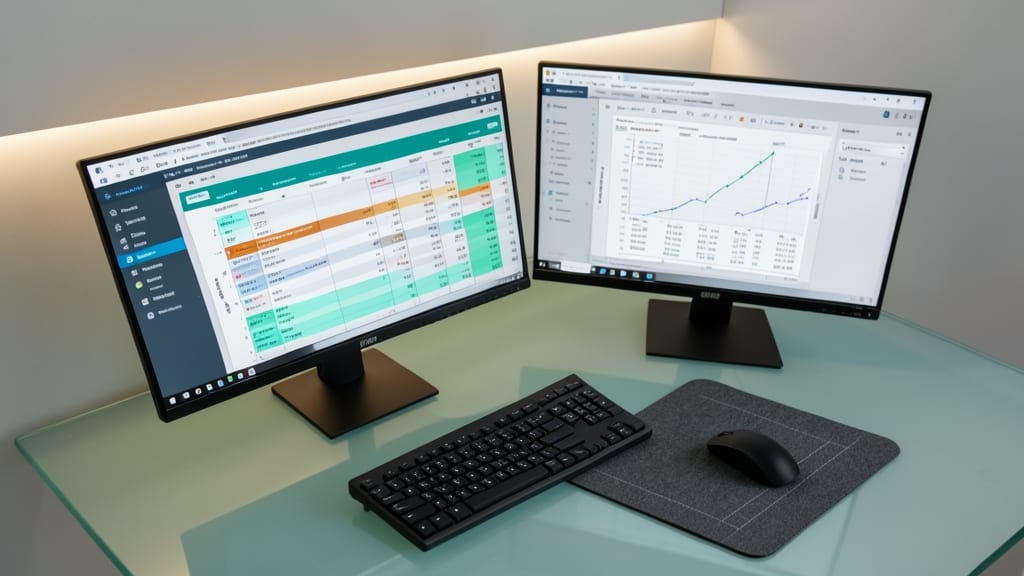
Tired of exporting data to Excel just to create visual reports? Power View in SQL Server 2012 brings interactive, self-service BI tools directly into your database—no third-party software required.
With drag-and-drop dashboards, real-time filtering, and support for tabular models, you can build dynamic visualizations like treemaps, scatter charts, and pivot tables without writing a single line of code. The integration with SQL Server Analysis Services (SSAS) ensures seamless data connectivity, while the SharePoint compatibility lets teams collaborate effortlessly.
Perfect for business analysts and BI teams who need to explore data intuitively, Power View eliminates the friction of switching between tools—keeping everything in one zero-config environment. ✨
Enhanced Security with Transparent Data Encryption
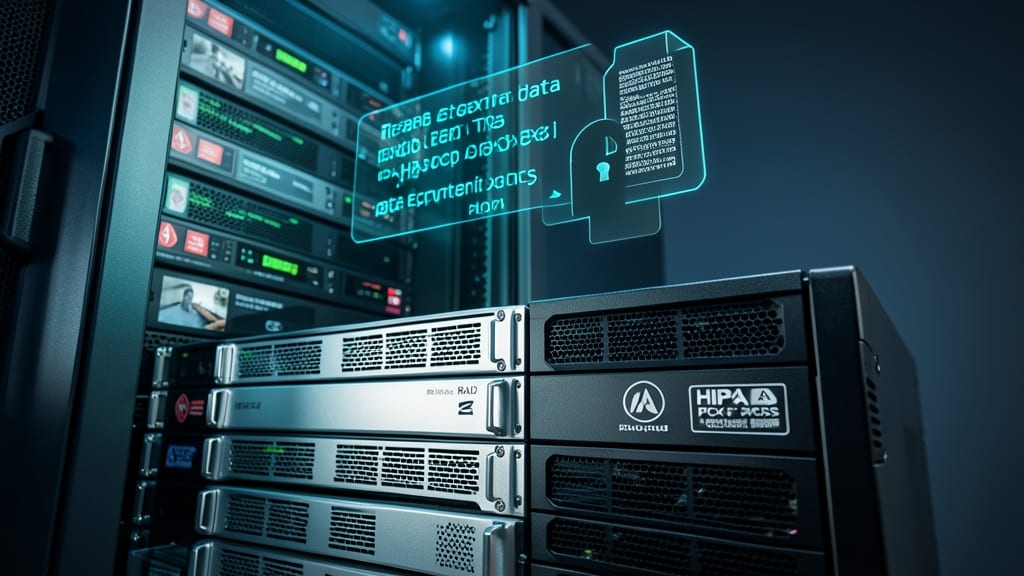
Worried about compliance headaches in healthcare or finance? Transparent Data Encryption (TDE) in SQL Server 2012 solves this pain point by encrypting database files at rest without altering applications. This means your sensitive data stays protected—even if storage media falls into the wrong hands—while keeping your existing workflows intact.
The magic happens with AES 256-bit encryption applied automatically to data files (.mdf, .ndf) and log files (.ldf). You enable it via a simple T-SQL command (CREATE DATABASE ENCRYPTION KEY), and SQL Server handles the rest—no code changes required. Performance overhead is minimal (<1% in most tests), making it a zero-compromise security upgrade for compliance-heavy environments.
This feature is a game-changer for HIPAA-covered hospitals and PCI-DSS banks where data breaches mean fines and reputational damage. With TDE, you meet regulatory requirements while sleeping easier at night. ✨